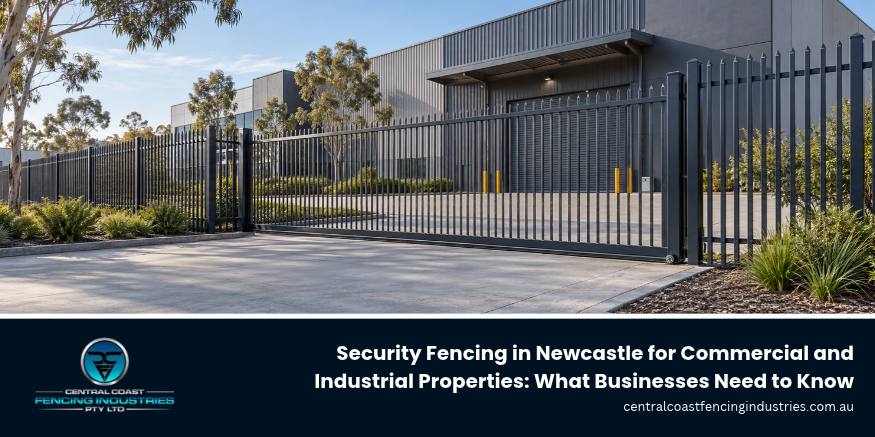
Every business wants to protect its people, stock, plant and reputation. For warehouses, factories, depots, construction sites and commercial complexes across the Hunter, the perimeter is the first line of defence. A well-designed boundary deters opportunistic crime, controls who comes and goes, and shows insurers and customers that you take safety seriously. That is why security fencing Newcastle businesses depend on has become one of the most important investments in site protection.
Not all fencing is equal, though. The wrong height, material or layout can leave gaps that criminals exploit or create costly maintenance problems within a few years. This guide covers what to consider before committing, from fence types and compliance to costs, maintenance and the security fence installation process. Choosing the right Newcastle fencing solutions partner is just as important as choosing the right product.
Why Perimeter Security Matters for Commercial and Industrial Sites
A fence is often treated as an afterthought, but it is the most visible part of your security strategy. A strong perimeter does several jobs at once:
- Deters crime before it starts. Most theft and vandalism is opportunistic. A tall, robust, well-maintained fence makes your site a harder target than the one next door.
- Delays intruders. If someone does try to breach the boundary, good fencing buys time for alarms, cameras and response teams to act.
- Controls access. Gates, bollards and barriers channel vehicles and pedestrians through monitored entry points.
- Reduces liability. Fencing keeps unauthorised people, including children and members of the public, away from machinery, chemicals and excavations.
- Supports insurance requirements. Many insurers offer better terms or require minimum standards for sites with proper perimeter protection.
- Reinforces your brand. A neat, professional boundary signals that your business is organised and secure.
Industrial areas carry particular risks. Metals, tools, fuel, vehicles and machinery attract thieves, and large sites with long boundaries are hard to supervise. Properly specified fencing is one of the most cost-effective ways to reduce those risks.
What Makes Newcastle Sites Different
Newcastle’s commercial and industrial landscape brings its own challenges. Port-related logistics, heavy industry, construction and a growing number of warehouses and distribution centres mean many sites hold high-value assets and operate around the clock.
When planning perimeter upgrades with robust security fencing Newcastle property owners should keep these local factors in mind:
- Coastal conditions. Salt air and humidity speed up corrosion, so hot-dip galvanising and quality coatings are well worth the investment.
- Large, open sites. Yards, laydown areas and storage compounds often have long boundaries that need cost-effective, high-visibility fencing.
- Mixed-use surrounds. Sites near homes, schools or public areas may need fencing that balances security with appearance.
- Variable terrain. Sloping ground, drainage lines and sandy or rocky soils all affect post depth, panel choice and gate design.
- Weather exposure. Strong winds and storms test fence footings, so installation quality matters as much as the product.
Common Types of Security Fencing for Business Properties
The right fence depends on your site, your assets and your threat level. Here are the main options.
1. Welded Mesh Fencing
Welded mesh panels have small apertures that resist climbing and cutting, which makes them a strong choice for high-risk sites.
- Very difficult to climb or cut through
- Good visibility for cameras and guards
- Suitable for utilities, schools, depots and distribution centres
- Available in galvanised and powder-coated finishes
2. Palisade Fencing
Palisade uses vertical steel panes with pointed or rounded tops. It is a proven choice for industrial perimeters.
- Strong, imposing and highly visible
- Hard to climb because there are no horizontal rails on the outer face
- Works well for factories, storage yards and compounds
- Can be combined with anti-climb toppings
3. Chain Wire Fencing
Chain wire remains one of the most economical solutions for large perimeters.
- Cost-effective for long boundary runs
- Quick to install
- Can be upgraded with barbed wire or security toppings
- Ideal for lower-risk areas, sports venues and temporary compounds
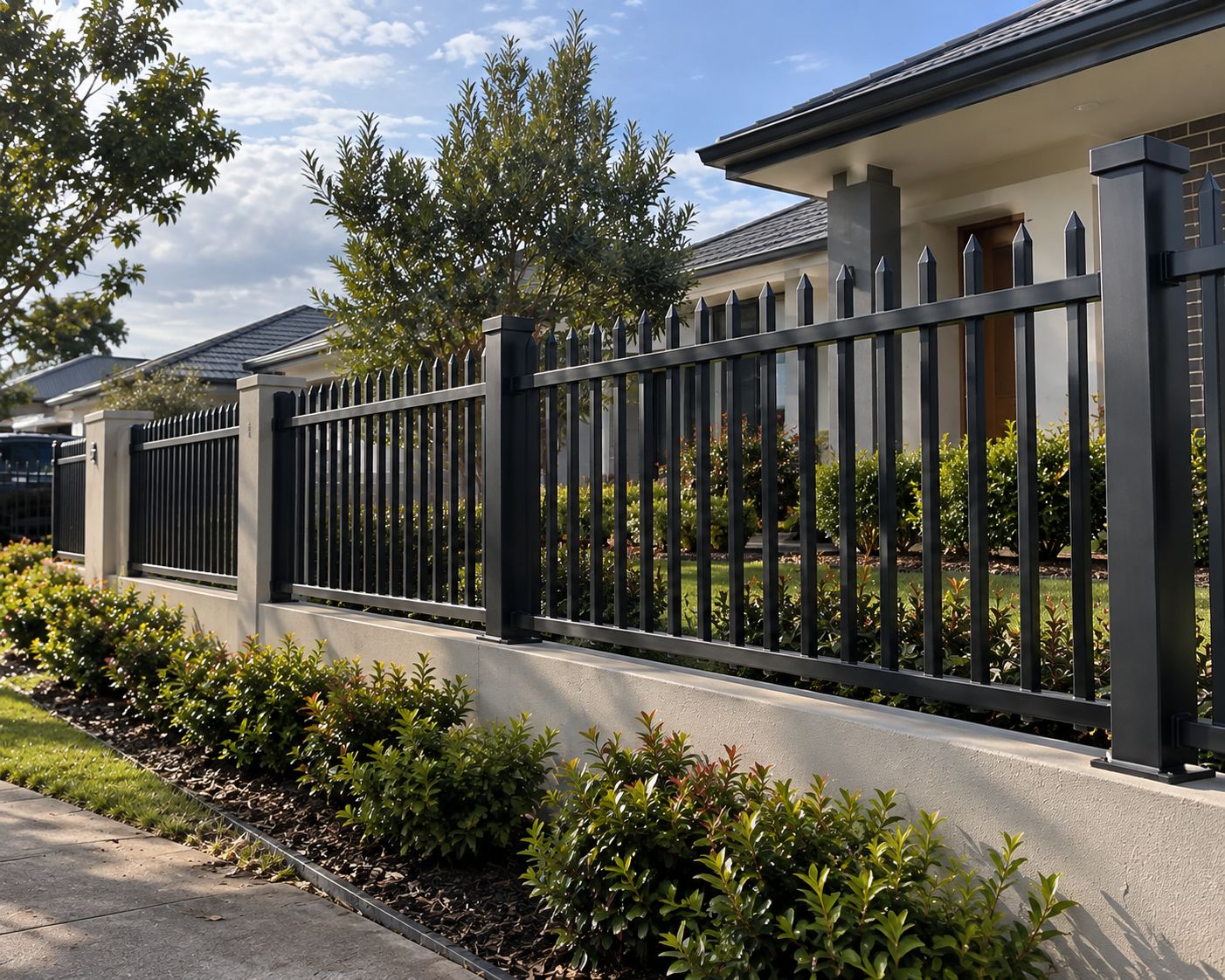
4. Spear Top Tubular Fencing
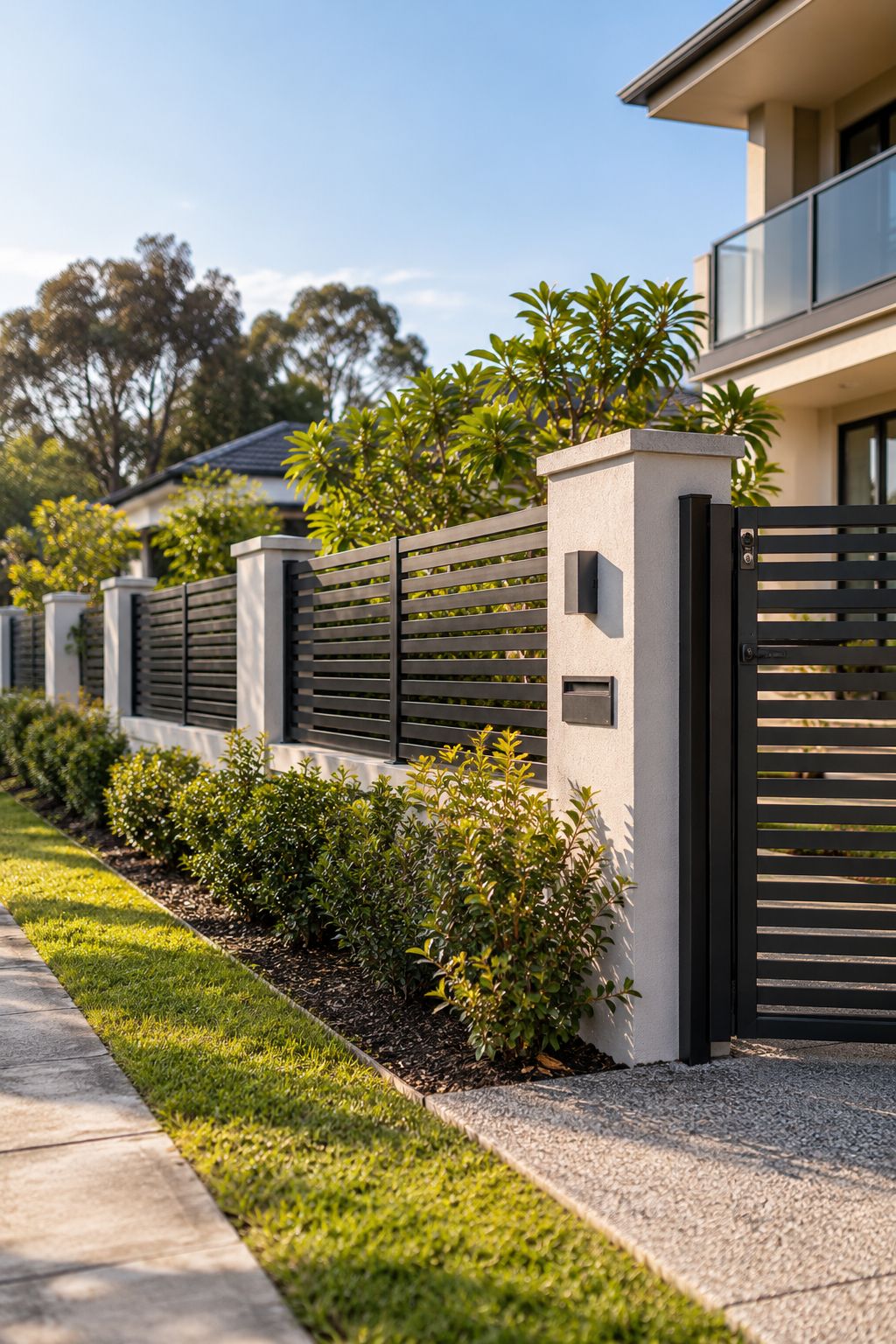
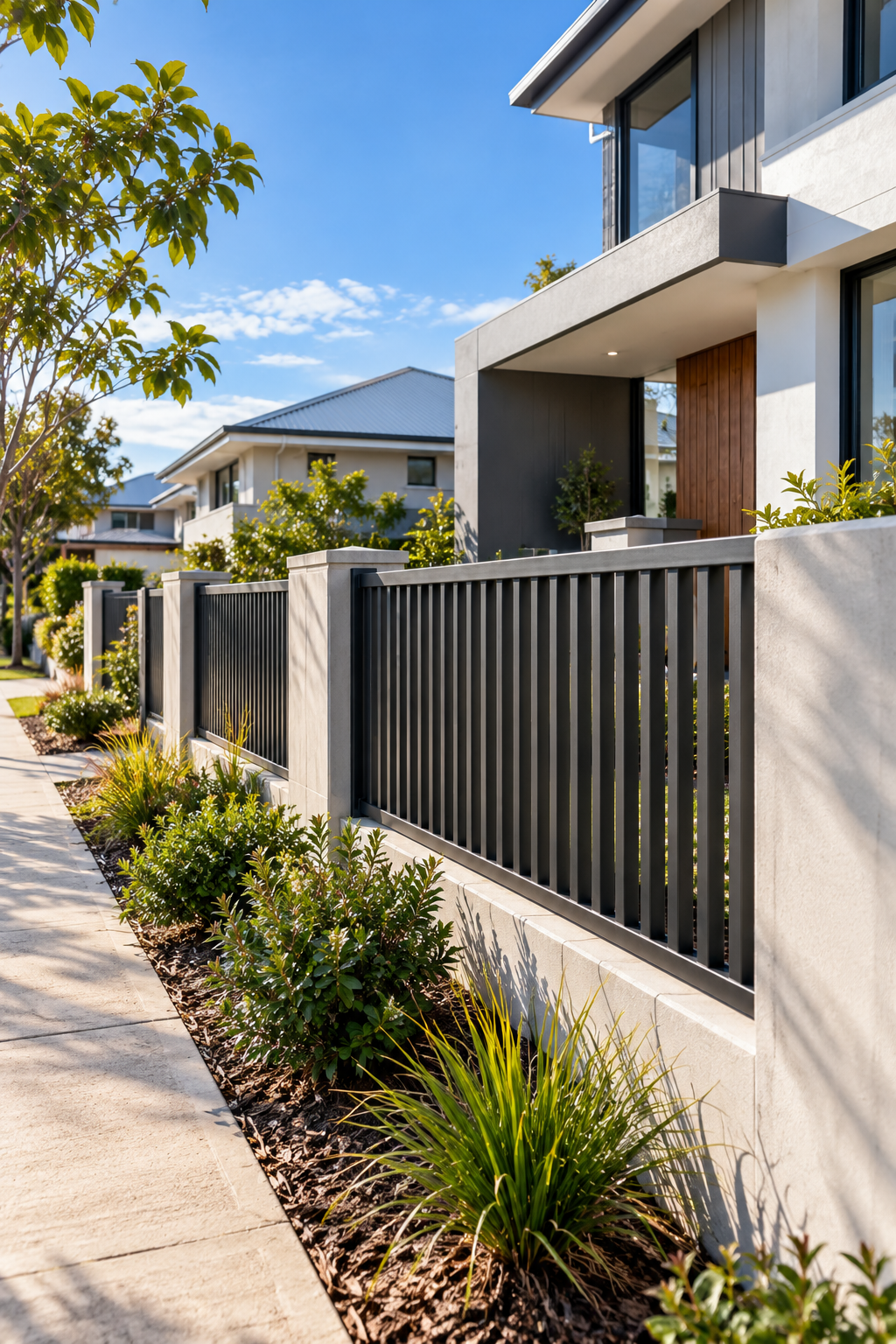
Tubular steel fencing combines strength with a cleaner, more professional look, which suits offices, retail precincts and mixed-use developments.
- Attractive and durable
- Strong enough to resist impact and tampering
- Available in custom heights and colours
- Easy to match with gates and pedestrian access points
5. Construction and Temporary Fencing
Building sites and short-term projects need flexible solutions.
- Quick to erect, move and remove
- Can carry signage and privacy screening
- Helps secure excavations and demolition zones
6. Bollards and Guardrail
Vehicles can be a threat or an asset. Bollards and Armco-style guardrail protect fences, buildings and pedestrian areas from impact.
- Protect entrances, loading docks and shopfronts
- Guide traffic safely around your site
- Reinforce the weak points of a perimeter
Consider these Before You Choose
Choosing a fence isn’t just about picking a style. Evaluating effective Newcastle fencing solutions involves working through these questions with your provider.
- What are you protecting? A yard with low-value materials needs a different solution than a site storing tools, fuel or electronics.
- What is your risk level? Consider crime in your area, your site’s visibility and any history of break-ins.
- How tall should it be? Commercial perimeters commonly range from 1.8 m to over 3 m, and higher-risk sites may need anti-climb toppings.
- What is the terrain like? Slopes and uneven ground affect panel selection and installation methods.
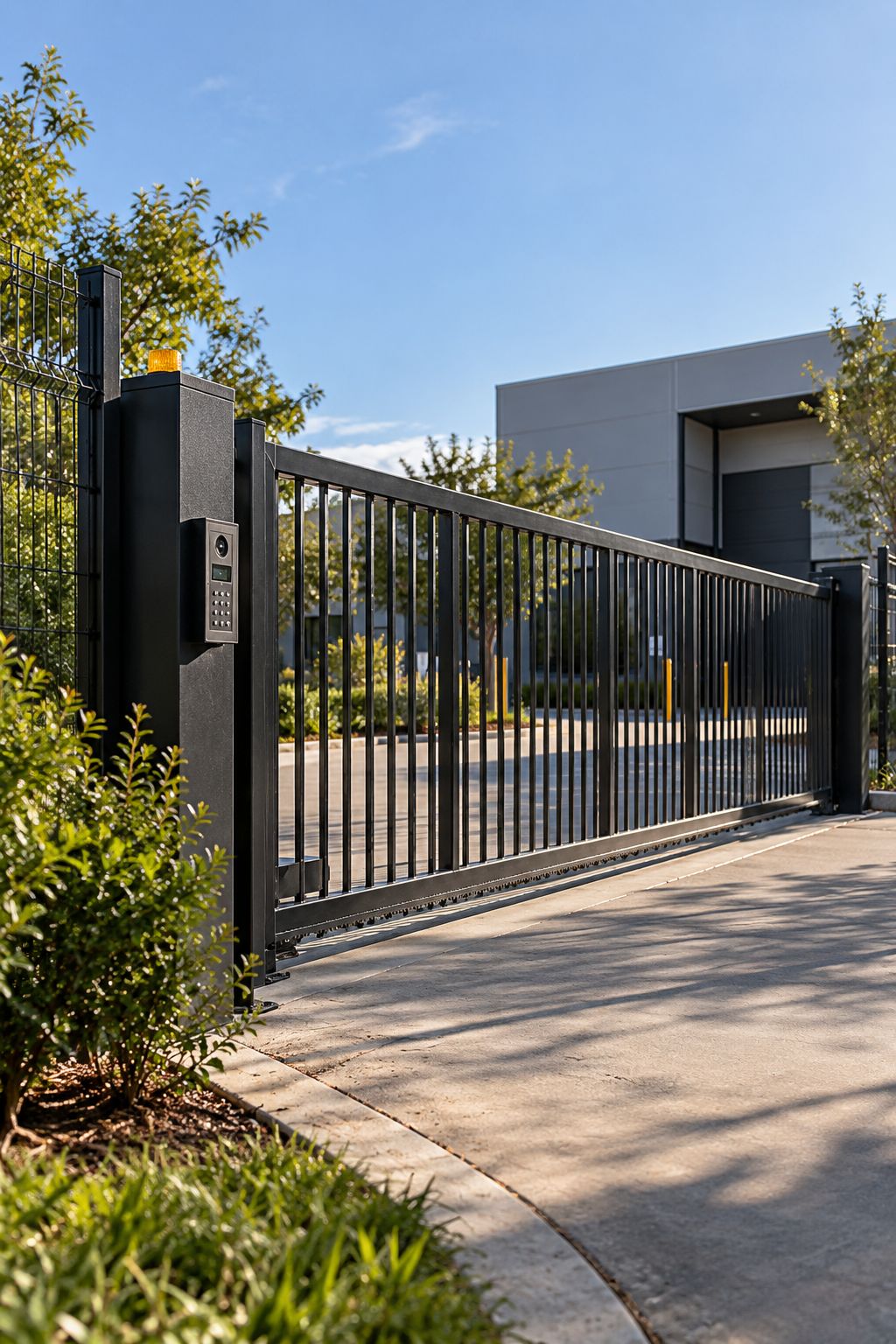
- How will vehicles and people enter? Plan gates, access control and emergency exits at the start rather than adding them later.
- What is your long-term budget? The cheapest option up front is not always the cheapest over ten years.
Taking time over these questions at the outset prevents expensive changes later.
Materials and Finishes: Built to Last
Commercial and industrial fencing faces heavy wear from weather, impacts and attempted tampering. Material and finish determine how long it performs.
- Galvanised steel is the industry standard because the zinc coating protects against rust.
- Hot-dip galvanising gives thicker, longer-lasting protection, which is especially valuable in coastal areas.
- Powder-coated finishes add a further protective layer and can match your brand colours.
- Aluminium is lightweight and rust-resistant, a good fit for decorative or lower-risk applications.
- PVC-coated chain wire offers extra weather protection and a softer appearance.
Ask your supplier about warranty periods and expected lifespan. A quality finish can extend your fence’s life and reduce maintenance costs.
The Security Fence Installation Process: What to Expect
Professional security fence installation is a structured process, and understanding it helps you plan around your operations and avoid delays.
Step 1: Consultation and Site Assessment
A reputable installer discusses your goals, then walks the boundary to assess risks, access points, ground conditions and obstacles such as trees, drains or underground services.
Step 2: Design and Quotation
You should receive a detailed proposal covering fence type, height, materials, gate specifications, timeline and costs. A good quote is itemised, so you can see exactly what you are paying for.
Step 3: Approvals and Compliance
Depending on your location and fence height, you may need council approval or landlord consent. Experienced installers know local requirements and can guide you through the paperwork.
Step 4: Measuring and Preparation
Before work starts, the team measures and marks out the boundary, locates underground services and prepares the ground. Careful preparation keeps the fence straight, secure and correctly positioned.
Step 5: Installation
The crew installs posts, panels, gates and any extras such as anti-climb toppings. Post depth, concrete footings and fixings are critical to strength, so workmanship matters most here.
Step 6: Inspection and Handover
Once finished, the installer inspects the work, tests gates and locks, and walks you through operation and care.
A well-run security fence installation minimises disruption to your business, so ask about working hours, site access and how long the job will take.
Combining Fencing with Other Security Measures
Fencing works best as part of a broader strategy. The strongest sites combine physical barriers with technology and good practice:
- CCTV coverage of the perimeter and entry points
- Motion-activated lighting to expose intruders
- Intruder alarms linked to monitoring services
- Clear signage that warns trespassers
- Clear sightlines, achieved by trimming vegetation and keeping materials away from the fence line
- Regular patrols or remote monitoring for high-value sites
This “defence in depth” approach means that if one measure fails, others still protect the site.
Maintenance: Protecting Your Investment
Even the best fence deteriorates without care. Regular maintenance keeps it secure and extends its working life.
- Inspect the perimeter regularly for damage, gaps, loose panels or signs of tampering.
- Check gates and locks to ensure hinges, motors and latches work smoothly.
- Remove vegetation that could hide intruders or damage the fence.
- Treat rust early before it spreads.
- Clear debris that could be used to climb over the fence.
- Arrange professional repairs promptly after storms, vehicle impacts or attempted break-ins.
A simple routine costs far less than replacing a neglected fence.
Understanding the Cost of Commercial Fencing
Pricing varies widely, and it pays to understand what drives it.
- Fence type and materials: welded mesh and palisade cost more than chain wire
- Height and length: longer, taller perimeters need more material and labour
- Terrain and access: sloping, rocky or tight sites increase installation time
- Gates and automation: motorised gates and access control add to the total
- Add-ons: anti-climb toppings, privacy screening, bollards and signage
- Removal of old fencing: demolition and disposal can add to the budget
- Approvals: permits may carry fees
When comparing quotes, look beyond the headline price. Consider durability, warranty and future upgrade costs. The best Newcastle fencing solutions balance upfront cost with long-term performance, and a slightly higher investment in quality often pays for itself through fewer repairs and better protection.
How to Choose the Right Fencing Contractor
The installer you choose affects your fence’s quality and longevity as much as the materials do. Look for a provider that offers:
- Proven commercial and industrial experience, with examples of similar projects
- Proper licensing and insurance, including public liability cover
- Transparent, itemised quotes with no hidden extras
- In-house capability, such as custom design, steel fabrication and manufacture, so gates and fittings can be made to suit your site
- Quality materials backed by warranties
- Local knowledge of regulations, soil conditions and weather
- Repair and maintenance services once the job is complete
Central Coast Fencing Industries supplies, designs, manufactures, installs and repairs fencing across Newcastle, the Hunter, Port Stephens and the Central Coast. Its range includes chain wire, welded mesh, palisade, spear top tubular fencing, industrial gates, bollards and Armco guardrail.
With steel fabrication and hot-dip galvanising capabilities, the company can help businesses assess fencing options for their site requirements. Contact the team to discuss your project and arrange a quote.
A strong perimeter protects far more than property. It safeguards your staff, stock, insurance position and peace of mind. The right combination of fence type, materials, gates and technology, installed by experienced professionals and properly maintained, can deter crime for years.
The right security fence helps businesses control access, protect assets and manage site-specific risks. Tailored Newcastle fencing solutions deliver the best results for your property’s layout, security requirements, materials and ongoing maintenance needs.
Planning a new installation or upgrading an existing perimeter? Contact Central Coast Fencing Industries to discuss your site requirements and request a fencing quote.